By News Desk | Kampala
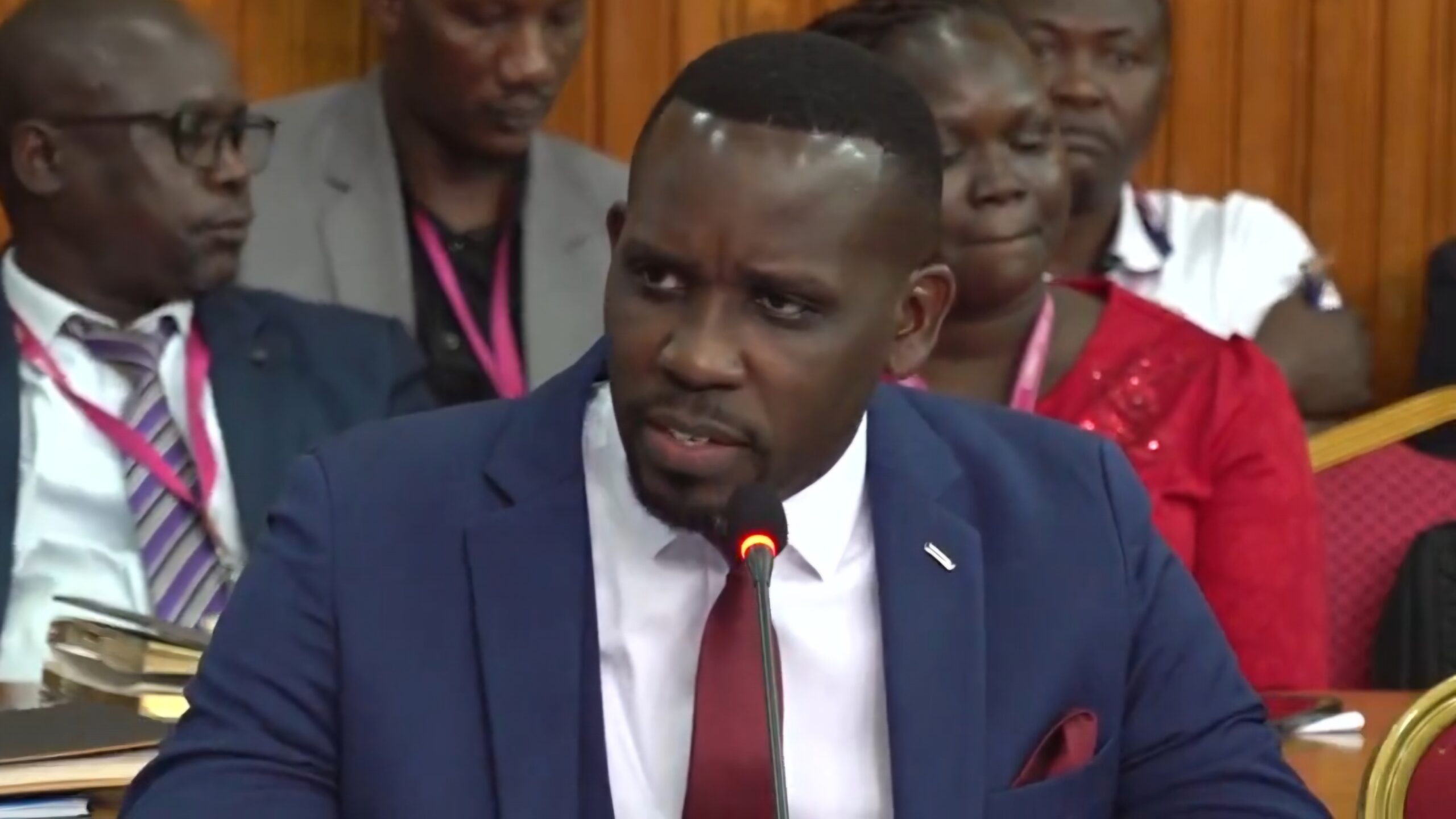
The Leader of the Opposition, Joel Ssenyonyi, has strongly opposed the proposed Protection of Sovereignty Bill 2026, warning that it poses serious constitutional risks and could undermine political pluralism in Uganda.
Appearing before a joint committee of Parliament of Uganda, Ssenyonyi said the bill, though presented as a patriotic safeguard, contains “fatal constitutional defects,” including vague provisions and unjustified limitations on fundamental rights.
He argued that in the current political climate—where critics and opposition figures allegedly face persecution—the bill is not merely theoretical but an “immediate existential danger” to democracy, economic stability, and Uganda’s global standing.
Diaspora Reclassified as “Foreigners”
One of the most contentious issues raised by Ssenyonyi is Clause 1 of the bill, which he says effectively reclassifies Ugandan citizens living abroad as “foreigners.” He noted that Ugandans in the diaspora contribute over $2.5 billion annually in remittances, questioning the logic of labeling them as non-citizens.
According to his submission, this provision could have far-reaching consequences, especially for political actors. A Ugandan leader forced into exile, he argued, would lose their national identity under the law and be treated as a foreign entity.
Criminalizing Political Coordination
Ssenyonyi warned that the bill’s definition of a “foreign agent” is dangerously broad. He explained that any Ugandan engaging in political activities on behalf of someone classified as a foreigner could face severe penalties.
He gave a hypothetical scenario where a party official in Uganda receives instructions via WhatsApp from a party leader abroad. Under the bill, acting on such instructions could be interpreted as working for a “foreigner,” exposing the individual to up to 20 years in prison.
“This domino effect is devastating,” Ssenyonyi told the committee, emphasizing that routine political coordination could become criminalized.
Impact on NGOs and Civil Society
Beyond politics, the opposition leader cautioned that the bill could cripple non-governmental organizations and humanitarian efforts. With increased surveillance and control mechanisms—potentially involving security agencies—organizations receiving foreign funding may face tighter restrictions or prosecution.
He compared the proposed law to similar legislation in countries like Russia and China, where “foreign agent” laws have been used to suppress dissent and limit civil society operations.
Constitutional Concerns
Ssenyonyi further criticized the bill for its vagueness, arguing that unclear definitions could allow authorities to arbitrarily interpret and enforce the law. He warned that opposing government policies might, under such a framework, be construed as acting in foreign interests.
“This bill subverts the multi-party system and risks turning legitimate opposition into a criminal act,” he said.
Political and Economic Implications
The opposition leader also highlighted the potential economic fallout, particularly if diaspora remittances and international partnerships are affected. He warned that Uganda could face reputational damage globally, discouraging investment and cooperation.
Conclusion
As public consultations continue, Ssenyonyi urged lawmakers to reconsider the bill in its entirety, calling for protections that uphold constitutional freedoms rather than restrict them.
The debate over the Protection of Sovereignty Bill 2026 is expected to intensify, with both supporters and critics framing it as a defining moment for Uganda’s democratic future.