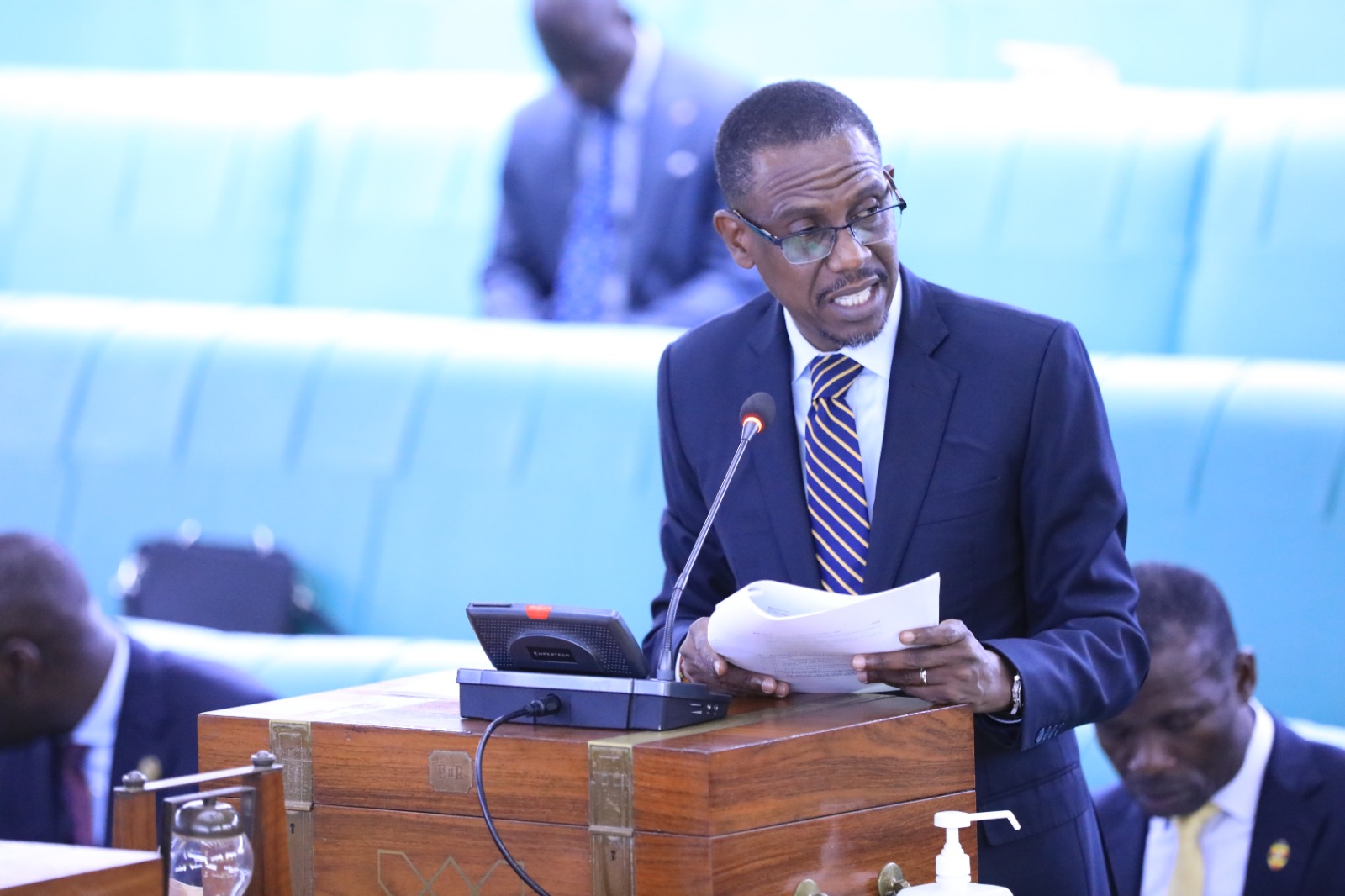
The National Teachers Bill, 2024, now that it has been passed by Parliament today, marks a major turning point for the teaching profession in Uganda. It means teaching is being formally tightened into a fully regulated profession where not just qualifications, but also licensing and conduct will determine who is allowed to remain in the classroom. Before the law fully takes effect, it still requires presidential assent, but the direction is already clear.What this change means in practice is that every teacher will be required to register under a national regulatory body and obtain a valid practicing license. Without this license, it will no longer be legal to teach, even if someone has academic qualifications. Schools will also be expected to ensure that all their staff are properly licensed, otherwise they risk sanctions.The law also introduces stricter minimum standards for entry and continuation in the profession. The general direction is toward higher qualifications, with a strong push for a Bachelor’s degree in education as the standard. Existing teachers who are below the new threshold are expected to be given a transition period to upgrade, but the pressure to meet these requirements will be significant.Another major change is the introduction of continuous professional development as a requirement. Teachers will not only qualify once and remain static; they will be expected to regularly undergo training and professional upgrading in order to renew their licenses. This makes teaching more of a continuously assessed profession rather than a one-time certification career.Discipline is also being strengthened. A new or empowered teachers’ council will have authority to investigate misconduct and impose serious sanctions, including suspension or cancellation of a teaching license. This shifts accountability from internal school discipline to a national regulatory framework.The Bill also introduces structured entry pathways such as internships for new teachers before full licensing, meaning fresh graduates may no longer enter classrooms immediately as fully recognized teachers without supervised practice.At the same time, while the law focuses heavily on standards, regulation, and accountability, there has been long-standing concern from stakeholders that teacher welfare, especially salaries and working conditions, is not addressed with equal strength in the reforms.Overall, what has just been passed is a shift toward tighter regulation, higher professional standards, and stronger state oversight of teaching. It raises the status of the profession in theory, but it also increases pressure on teachers and education institutions to comply with stricter requirements going forward.