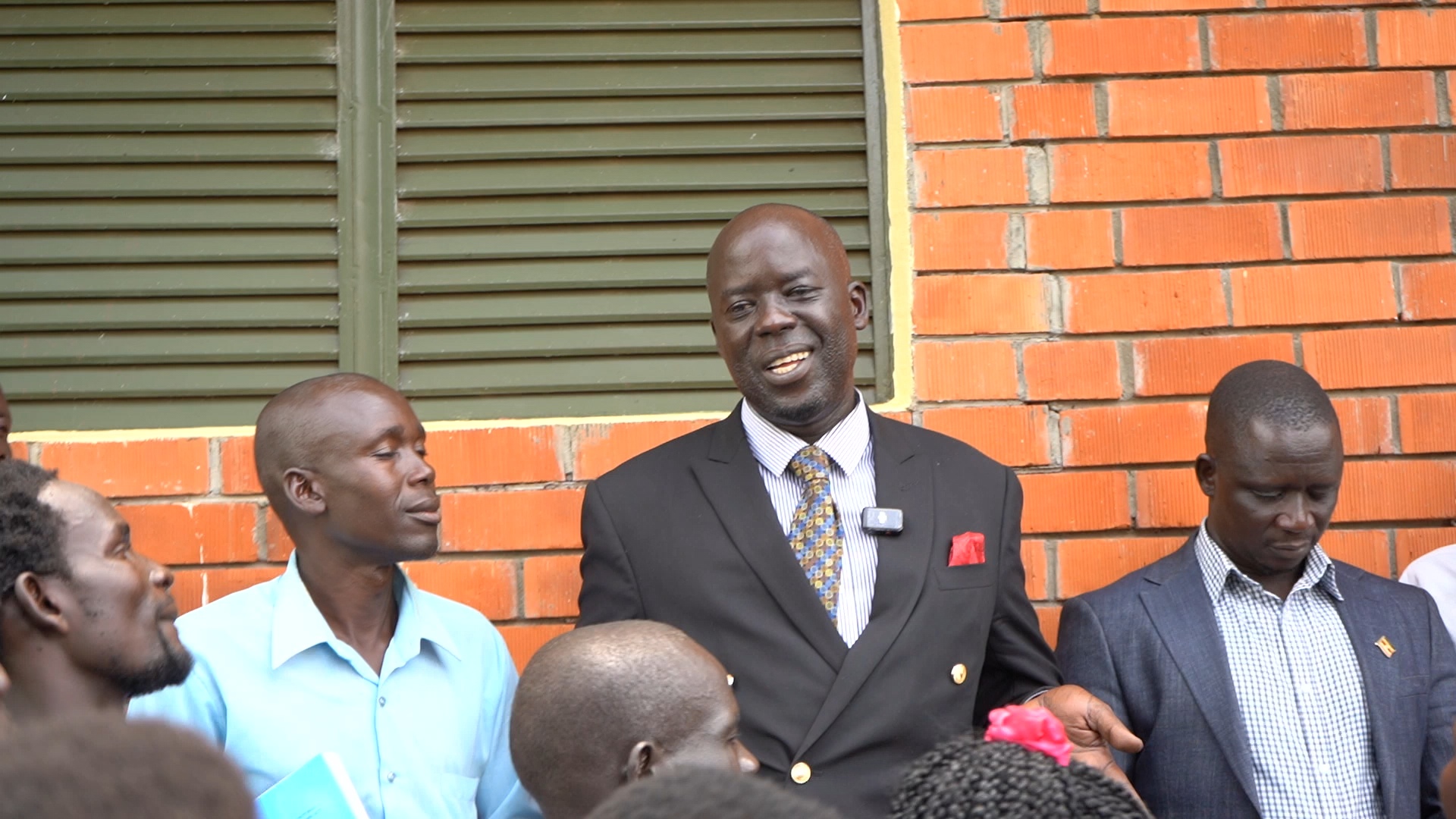
PATONGO, UGANDA — The atmosphere inside the Patongo High Court was tense from the moment proceedings began. What unfolded was not just a legal cross-examination — it was a public dismantling of a young man’s testimony, and a moment that may shape the outcome of the entire case.
Komakech Christopher of Aruu County, took the stand expecting to defend his statement. Instead, he found himself staring down the relentless questioning of Dr. Odonga Otto’s legal team, with Hon. Lady Justice Fatuma Nanziri Bwanika presiding — and repeatedly intervening.
The ruling in this matter has been scheduled for 9:00 AM on November 5, 2026.
THE MOMENT THAT CHANGED EVERYTHING
“Can You Repeat Your Name?”
The cross-examination began simply enough. Komakech was asked to state his name. He complied. Then came the detail that changed the entire tenor of the courtroom:
What followed over the next 25 minutes only deepened the mystery.
THE CROSS-EXAMINATION: A WITNESS OUT OF HIS DEPTH
1. Confusion Sets In
The questioning shifted to organizations, documents, and numbered paragraphs. Komakech struggled to keep pace. His answers became fragmented, hesitant, incomplete.
At one point, the legal team demanded he “justify” his claims. He could not.
2. “Calm Yourself Down” — The Judge Steps In
Then came the moment that encapsulated the entire examination.
Hon. Lady Justice Fatuma Nanziri Bwanika leaned forward and told the witness directly:
“Calm yourself down.”
Those three words, delivered by the presiding judge, told the courtroom everything they needed to know: Komakech Christopher was losing control.
But the judge was not finished. She continued:
“The problem people have is they have answers in their head and they forget what they are asking.”
This was a direct diagnosis of the witness’s problem — he was anticipating questions instead of listening to them. He was nervous. He was unprepared. And the court could see it.
3. “You Are Free to Go and Understand”
The judge offered him a lifeline:
“You are free to go and understand… and then answer.”
This was both guidance and warning. The court was telling him: Slow down. Focus. Answer the question asked — not the one you think is coming.
She added firmly:
“We are not here to hurry. Tell me what you understand.”
4. The True or False Test
The legal team posed the most direct question of the session:
“Is this question true or false?”
Komakech’s response: “Yeah.”
It was not an answer. It was an evasion. And the courtroom noticed.
The examiner pressed further, suggesting that his position was “false” and that his absence from certain documents confirmed it.
5. “You Don’t See What Is In Front of You”
The cross-examination reached its most damning moment. The legal team stated:
“But you don’t see what is in front of you is not true.”
This suggested Komakech was contradicting documented evidence — or that he could not read or interpret the very documents he was meant to stand behind.
6. “Where Were You?”
The questioning turned to his location and whereabouts. The legal team asked:
“My question is where you…”
The sentence hung in the air. His answers had been unsatisfactory. He could not account for his own movements or presence.
ANALYSIS: WHY KOMAKEKCH CHRISTOPHER FAILED
A Breakdown of His Weaknesses
Confusion and Hesitation
Komakech displayed frequent pauses and incomplete answers throughout his testimony. The judge herself noted that he “forgets what they are asking.” This suggests a severe lack of preparation and an inability to process questions in real time. The impact on his credibility was severe.
Inability to Track Questions
The judge had to guide him repeatedly, telling him: “You are free to go and understand.” This shows he was not following proceedings properly. A witness who cannot track questions cannot provide reliable testimony. The impact was severe.
Loss of Composure
The judge ordered him directly: “Calm yourself down.” This is a clear indicator that Komakech was visibly nervous, agitated, or overwhelmed. Visible nervousness undermines testimony in the eyes of the court. The impact was severe.
Contradictions and Evasions
He responded “Yeah” to a direct true or false question. He was accused of contradicting documents. This suggests either dishonesty or incompetence — both equally damaging. The impact was critical.
Vague Responses on Key Issues
He could not answer questions about his location or whereabouts. This undermines any alibi or claim of presence he may have made. The impact was critical.
Inability to Justify Position
He was asked to “justify” his claims and could not. This shows his claims lacked foundation and he had no evidence to back them up. The impact was severe.
The Judge’s Interventions: A Telling Pattern
The fact that Hon. Lady Justice Fatuma Nanziri Bwanika intervened multiple times is rare and significant. Judges typically allow cross-examination to flow without interference. When a judge steps in — especially to say “calm yourself down” — it signals that the witness is failing.
Her interventions included telling him to “calm yourself down” to address his composure. She diagnosed his confusion by stating: “The problem people have is they have answers in their head.” She offered guidance by saying: “You are free to go and understand… and then answer.” And she expressed frustration when she said: “We are not here to hurry. Tell me what you understand.”
These are not the words of a judge impressed with a witness. These are the words of a judge managing a failing testimony.
WHAT THIS MEANS FOR THE CASE
The cross-examination of Komakech Christopher may prove to be a turning point in the matter before the Patongo High Court.
His credibility is severely damaged. The judge’s interventions and his evasive answers will weigh heavily on the court’s assessment.
Dr. Odonga Otto’s legal team appears to have gained the upper hand. They exposed confusion, contradictions, and an inability to justify claims.
The ruling on November 5, 2026, will reveal how much weight the court gives to his testimony. If Justice Nanziri Bwanika rules against Komakech’s position, his performance on the stand will be cited as a primary reason.
RULING DATE ANNOUNCED
The Patongo High Court will deliver its ruling at 9:00 AM on November 5, 2026.
All parties have been notified. The courtroom is expected to be full, with supporters of both sides anticipated to attend.
Hon. Lady Justice Fatuma Nanziri Bwanika will preside.
REACTIONS
Reactions to the cross-examination have been swift and divided.
“He was clearly not prepared. The judge had to babysit him through basic questions. This is embarrassing for whoever put him on that stand.”
— Legal observer, Patongo
— Community member, Aruu County
“Dr. Odonga Otto’s team was surgical. They exposed every weakness. This is how you cross-examine.”
— Political analyst, Gulu
CONCLUSION
Komakech Christopher’s day in court did not go as planned. What was meant to be a moment of testimony became a public dismantling of his credibility.
The judge had to tell him to calm down. He could not justify his claims. He responded to a true or false question with “Yeah.” He was accused of contradicting documents. And he could not answer where he was.
Now, the case awaits its ruling — 9:00 AM, November 5, 2026.
For Komakech Christopher, the wait will be long. For Dr. Odonga Otto’s legal team, the performance may have been the decisive blow.
FOLLOW THE STORY
Subscribe for updates on the November 5, 2026 ruling.
Location: Patongo High Court
Presiding Judge: Hon. Lady Justice Fatuma Nanziri Bwanika
Key Figures: Dr. Odonga Otto’s Legal Team, Komakech Christopher (Aruu County)
Do you have information about this case? Contact our news desk.
© 2026 [Your News Outlet]. All rights reserved