As Uganda’s political season gathers momentum, attention has shifted to the National Leadership Institute in Kyankwanzi, where the ruling National Resistance Movement (NRM) is hosting a high-stakes retreat for Members of Parliament-elect. What may appear as a routine orientation is steadily emerging as a critical platform for shaping political direction, consolidating loyalty, and managing internal dynamics ahead of the 12th Parliament.
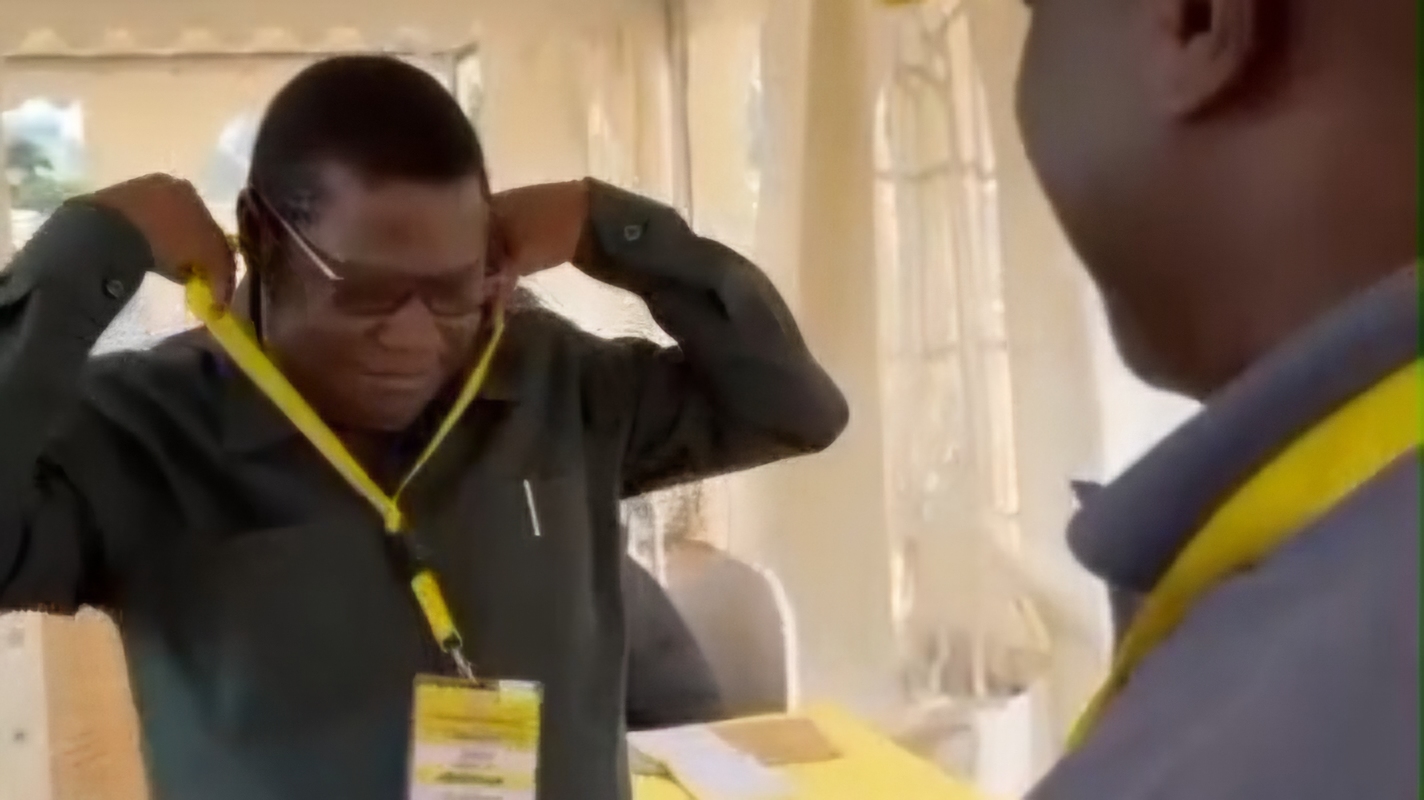
The accreditation process for legislators has largely been completed, with MPs-elect from the NRM, as well as selected independents and a few opposition figures, reporting in significant numbers. Upon arrival, participants underwent verification, COVID-19 testing, and received official conference materials before being scheduled for transport to Kyankwanzi aboard the party’s signature yellow buses.
NRM Secretary General Richard Todwong confirmed that the exercise strictly targets elected MPs of the incoming Parliament. He emphasized that individuals who lost in the elections, including former ministers, are not part of the program. This firm stance underscores the party’s intent to focus on its new parliamentary composition while reinforcing discipline and structure within its ranks.
Deputy Secretary General Rose Namayanja also outlined the retreat’s program, noting that legislators would be transported to Kyankwanzi in an organized schedule, with the official opening expected to be presided over by the party’s National Chairman. The Chairman is anticipated to play a central role throughout the retreat, guiding discussions and providing strategic direction until its conclusion.
Beyond the logistical arrangements, the retreat carries deeper political significance. It serves as a forum for ideological alignment, where MPs are introduced to the NRM manifesto, the National Development Plan IV, and key government priorities. Ministries, departments, and agencies are expected to present their programs, ensuring that legislators are well-equipped to align their legislative roles with national development goals.
Notably, the retreat also opens a window for political inclusivity under controlled conditions. Todwong revealed that certain opposition and independent MPs are being considered for collaboration with the NRM, subject to approval by the party chairman. This approach reflects a broader strategy of expanding influence while maintaining centralized decision-making authority.
One case drawing particular attention is that of Norbert Mao, whose political engagements have recently sparked speculation. His attendance at a high-profile event in Gulu, coupled with ongoing discussions regarding his potential alignment with the NRM, has raised questions about evolving political alliances. Party officials confirmed that his case is under direct review by the chairman, signaling its sensitivity and importance.
Meanwhile, the race for the Speakership of Parliament is intensifying. Lydia Wanyoto Mutende has publicly declared her bid, citing decades of service within the NRM and expressing confidence in her leadership credentials. Her announcement adds another layer of intrigue to the retreat, as internal consultations and consensus-building are expected to influence the outcome.
Despite these underlying political currents, the atmosphere surrounding the retreat has been marked by optimism and camaraderie. MPs arrived in high spirits, reflecting renewed networks and a shared sense of purpose as they prepare for the legislative term ahead.
Historically, the Kyankwanzi retreat has been a cornerstone of NRM political culture, serving as an initiation platform for new legislators. It emphasizes consensus-building within the parliamentary caucus, ensuring that key decisions are harmonized before being presented on the national stage.
As proceedings unfold, analysts note that the outcomes of this retreat could have far-reaching implications—not only for parliamentary leadership but also for broader political alignments in Uganda. In Kyankwanzi, strategy meets symbolism, and every engagement carries weight.
Ultimately, the retreat represents more than preparation for legislative duty. It is a defining moment where influence is negotiated, alliances are tested, and the trajectory of Uganda’s 12th Parliament begins to take shape.