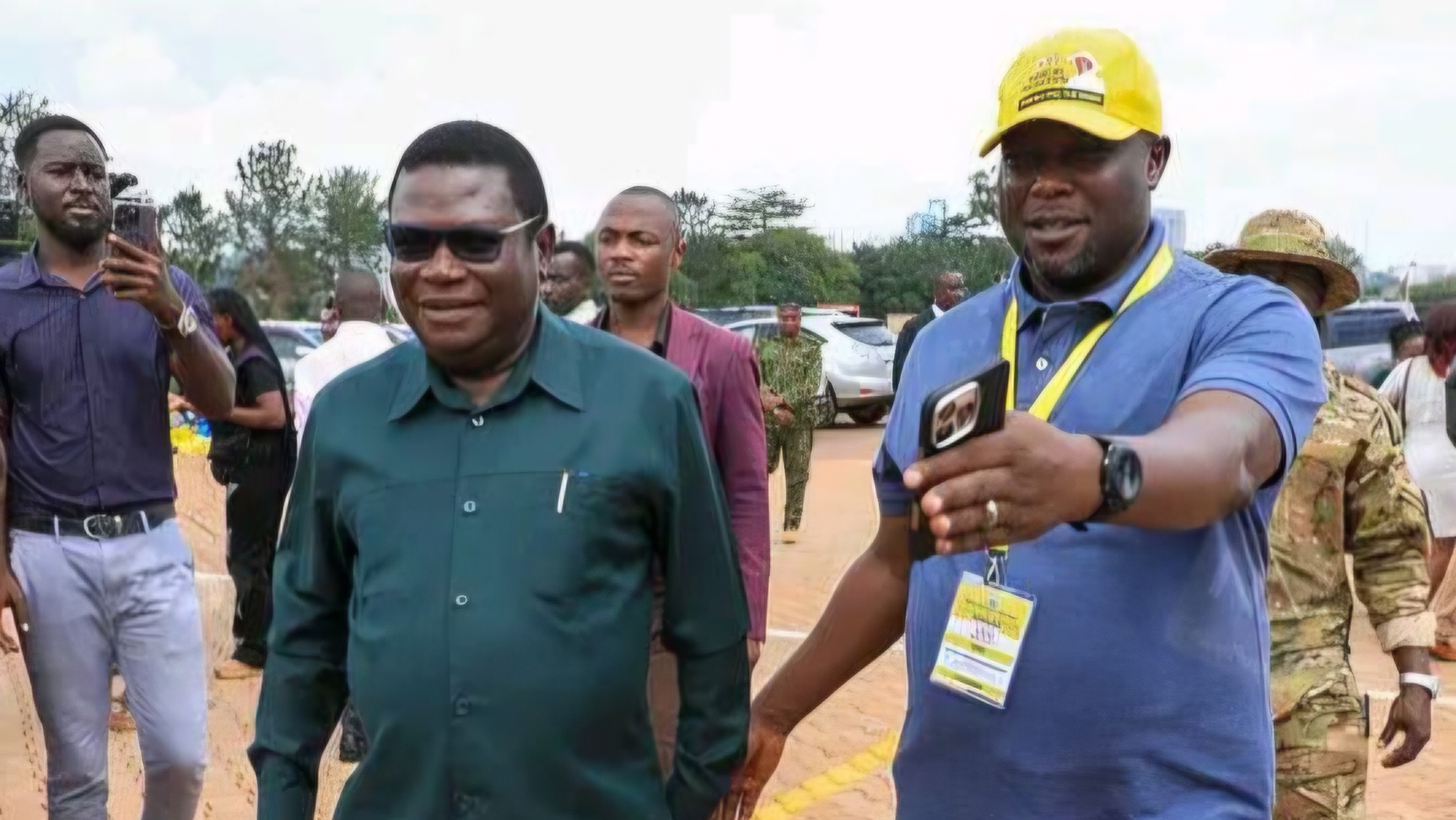
As Uganda’s 12th Parliament retreat at the National Leadership Institute in Kyankwanzi gets underway, the atmosphere surrounding the gathering has taken on a heightened political tone, with the presence of Democratic Party leader Norbert Mao drawing significant attention and speculation.
Arriving ahead of the retreat, Mao signaled his readiness to engage, remarking that he was “ready for trouble.” The statement, delivered in a calm yet deliberate manner, quickly sparked debate about its meaning and implications within the broader political context. For many observers, his presence at an event traditionally associated with the ruling National Resistance Movement (NRM) represents a notable moment in Uganda’s evolving political landscape.
The retreat, which brings together Members of Parliament-elect, is officially designed as an orientation platform to align legislators with national priorities, including the NRM manifesto and the National Development Plan IV. However, beyond its formal agenda, the gathering is increasingly being viewed as a space where political influence, alliances, and strategic positioning are quietly negotiated.
Political analyst and journalist Simon Kaggwa Njala had earlier suggested that Mao might face a hostile reception at Kyankwanzi. In response, Mao dismissed such expectations, emphasizing that the value of a message does not depend on how the messenger is received. Drawing on a historical and religious analogy, he argued that even opposition or criticism cannot diminish a message rooted in truth.
Upon arrival, Mao was received by NRM Secretary General Richard Todwong, who welcomed him and facilitated his accreditation. The interaction, cordial on the surface, symbolized a moment of political convergence that has left many questioning the underlying dynamics at play.
Meanwhile, other key political figures, including Government Chief Whip Hamson Obua and Speaker Anita Among’s allies, were seen arriving for the retreat, reinforcing the significance of the gathering. Delegates underwent COVID-19 testing and accreditation procedures before proceeding to the main venue, reflecting both organizational structure and continued health precautions.
The retreat is being conducted under strict guidelines, with reports indicating that participants have been instructed to maintain focus, limit communication, and prioritize confidentiality. The restriction on phone usage and emphasis on discipline highlight the sensitivity of discussions expected to take place behind closed doors.
NRM officials maintain that the retreat is a longstanding institutional practice aimed at preparing legislators for their roles. It provides a platform for engagement with experts across sectors such as economics, security, agriculture, and governance. However, the inclusion or engagement of figures like Mao suggests a broader political dimension that extends beyond routine orientation.
At the same time, the internal dynamics of the NRM remain in focus, particularly with the anticipated election of the Speaker of Parliament. While officials have downplayed the retreat’s connection to the Speakership race, analysts argue that informal consultations and consensus-building during such gatherings often influence key leadership decisions.
Despite the underlying tensions, the mood among participants has been described as composed, with visible efforts to project unity and cooperation. Yet, beneath this surface, the retreat continues to unfold as a complex political theatre where symbolism, strategy, and subtle messaging intersect.
As proceedings continue in Kyankwanzi, attention remains fixed on how these interactions will shape the direction of Uganda’s 12th Parliament. For Norbert Mao, his participation alone has already altered the narrative, raising important questions about dialogue, dissent, and the future of political engagement in the country.