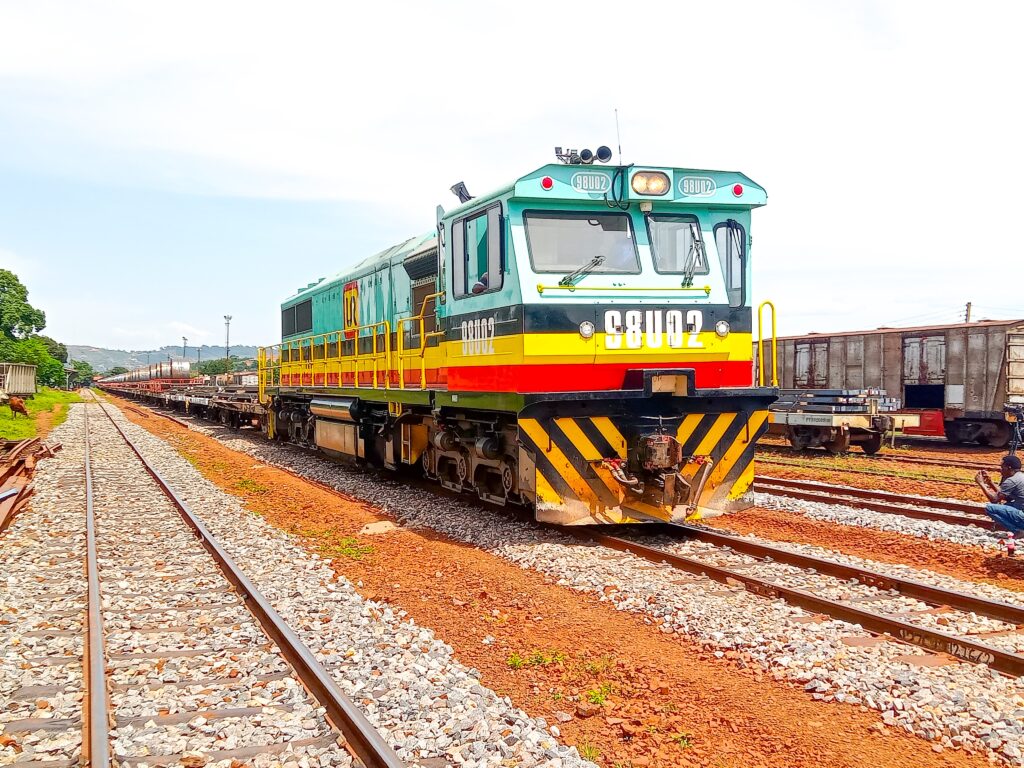
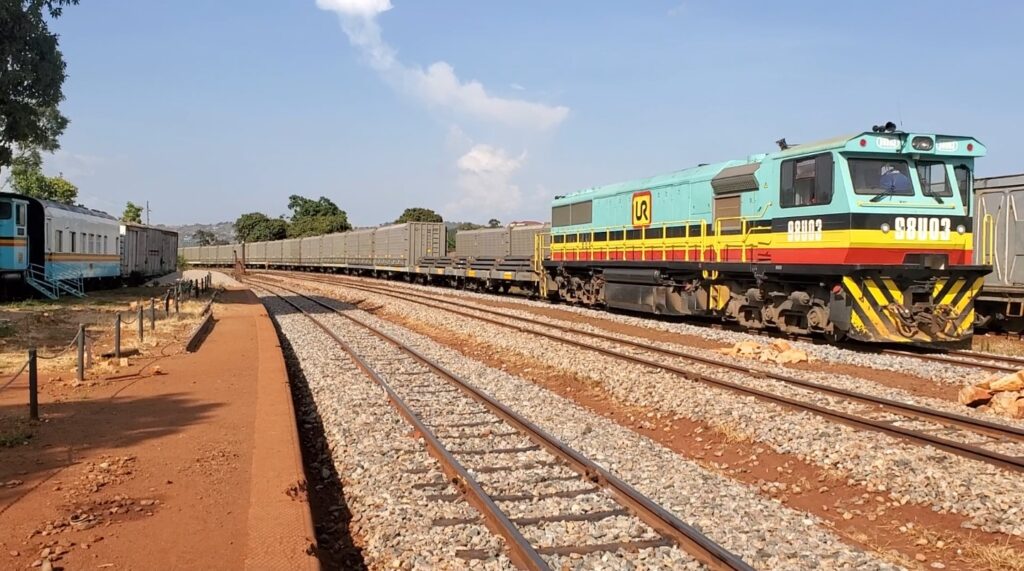
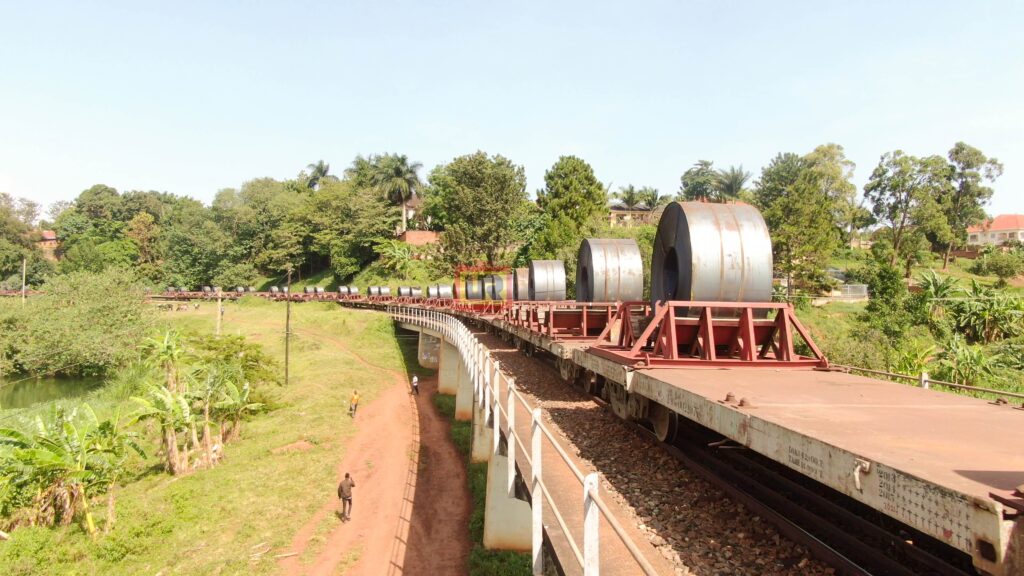
In a detailed policy brief released via its official X account, the Uganda Railways Corporation (URC) has laid out its value proposition for shippers and logistics partners, emphasizing a significant overhaul of transit times, maritime expansion, competitive pricing, and safety protocols. The statement positions the corporation as a formidable competitor in the Northern Corridor.
Transit Efficiency
The corporation broke down the current transit dynamics to highlight the integration of the Standard Gauge Railway (SGR) with the existing Meter Gauge Railway (MGR). While the SGR moves cargo from Mombasa to Naivasha in 10 hours, URC acknowledged that the subsequent MGR leg from Naivasha to Malaba currently takes 30 hours, with an additional 12 hours to Kampala—totaling 52 hours of non-stop movement.
“MGR: Mombasa-Kampala: 7-8 Days,” the corporation noted, contrasting the previous timelines with the improved multimodal approach currently being implemented.
Maritime Expansion
In a bid to leverage lake transport, URC highlighted the efficiency of its marine services, noting that cargo moving from Kisumu or Mwanza to Portbell aboard the MV Kaawa or MV Pamba—both roll-on/roll-off vessels—now takes just 18 hours.
To scale this capacity, the corporation announced plans to construct a new 1,500-tonne cargo vessel, alongside an additional five vessels, signaling a major expansion of its fleet to handle increased regional demand.
Cost Competitiveness
Addressing market concerns over pricing, URC stated it is currently reviewing its tariff structure to make rail transport more cost-effective. Additionally, the corporation is introducing free storage for exports designated to move by rail to Mombasa, a move designed to incentivize exporters and reduce the cost of doing business.
Safety and Reliability
Emphasizing operational stability, the corporation declared that the era of derailments—which historically led to delays and damaged goods—has been resolved.
“Trains do not fly off the tracks. Therefore, we no longer have delays or damages to goods and rolling stock as a result of accidents. That phase is out of sight,” the statement read.
Industry analysts view the aggressive marketing and infrastructure investment as part of Uganda’s broader strategy to secure efficient, cost-effective logistics chains ahead of the anticipated increase in regional trade volumes.